How to Build a Scalable Business Accounting Suite in 2025

Introduction: Why Build an Accounting Suite in 2025?
Traditional accounting software often feels bulky, outdated, or too complex for small businesses. In 2025, there’s a growing demand for clean, modern, cloud-based accounting tools that work across devices, automate workflows, and scale with business growth. Leveraging frameworks like Flutter for frontend and serverless/cloud-native stacks for backend lets you develop a solution that is both sleek and future-ready.
Key Benefits of Building Your Own Accounting Software
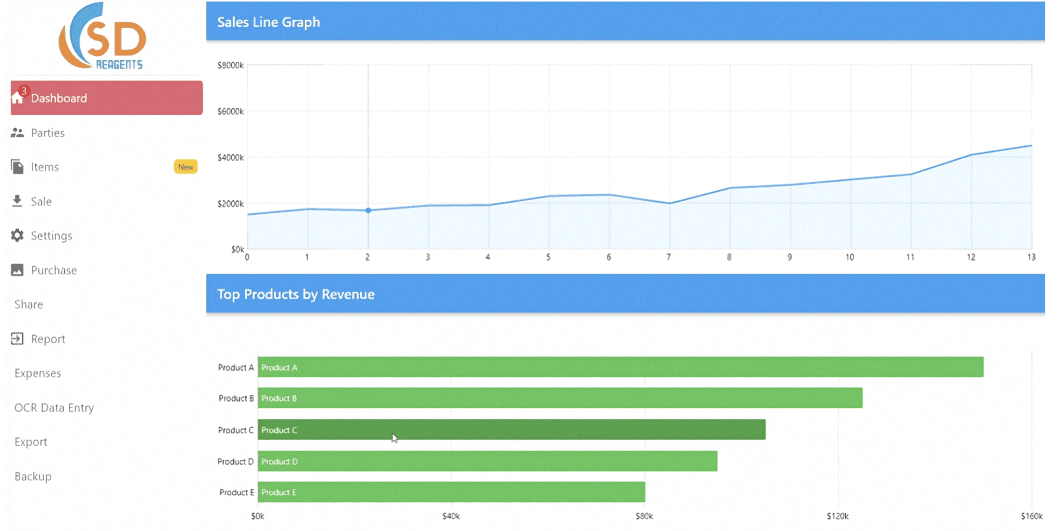
1. Tailored to Your Users
- Role-Based Features: Let users access what matters—bookkeepers, founders, and auditors each see what they need.
- Modular Design: Start with invoices and ledgers, then add features like payroll, tax filings, or analytics as users grow.
- Regional Compliance: Build GST-ready, TDS-handling flows for India or adapt modules for global regulations.
2. Real-Time Access & Cloud Sync
- Cross-Device Access: Users can enter expenses from mobile and reconcile on desktop later without data loss.
- Auto Backup & Offline Sync: Local-first design with Firestore/Supabase sync ensures data safety even with unstable connections.
3. Automate Boring Accounting Work
- Smart Categorization: Auto-tagging of transactions using ML or user-defined rules.
- Recurring Invoices & Reminders: Set it once and let the system handle it monthly or quarterly.
- Bank Import & Reconciliation: Upload CSVs or use APIs to import bank data and auto-match with ledger entries.
4. Smart Notifications
- Timely Alerts: Notify users before GST deadlines, pending payments, or upcoming audits.
- Cross-Device Sync: Notifications sync across mobile and desktop apps for continuity.
5. Integration Friendly
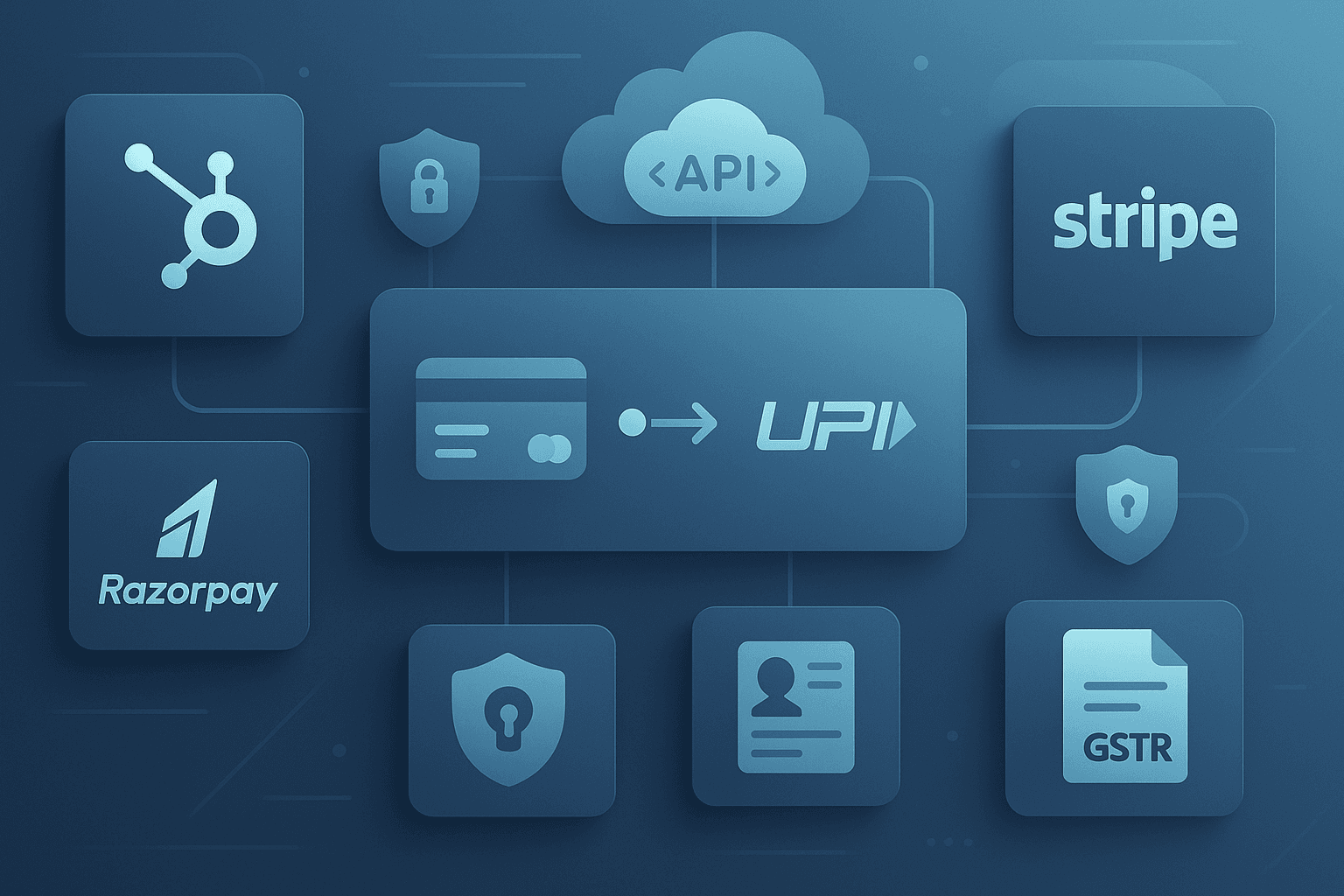
- CRM Integrations: Sync client data from CRMs like Hubspot or Zoho for automated invoice generation.
- Payment Gateways: Add Razorpay, Stripe, or UPI for direct invoice payments with auto-receipt generation.
- Govt APIs: Pre-fill GSTR using APIs and fetch PAN/TAN from government databases securely.
Why Flutter for Business Accounting Software
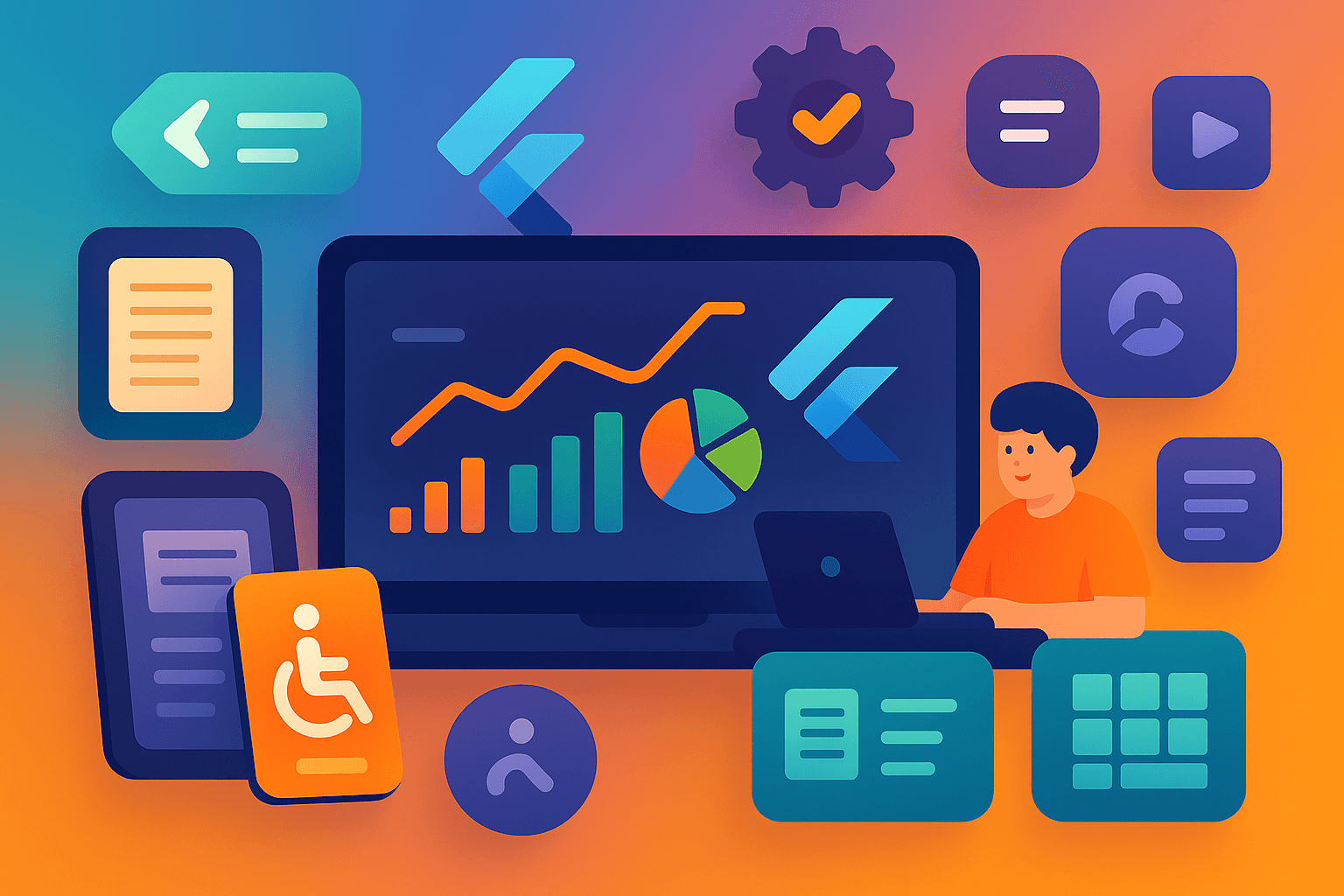
- Unified UI Across Devices: One codebase, multiple platforms. Whether your user is on a phone, tablet, or laptop, the experience stays consistent.
- Faster Iteration Cycles: Use Hot Reload to test accounting workflows live with test data.
- Beautiful Charts & Dashboards: Real-time line charts, pie charts, and heatmaps can be built using packages like `fl_chart` or `syncfusion_flutter_charts`.
- Custom Widgets: Create intuitive invoice forms, cash flow cards, or journal entry tables with ease.
- Accessibility Ready: Flutter’s support for screen readers and dynamic font sizing enhances usability for diverse user groups.
Building Blocks of an Accounting Suite
- Authentication & User Roles: Google, email login + role-based access (admin, accountant, auditor, etc.).
- Invoice & Billing Module: GST-compliant PDF generation, payment status tracking, custom branding.
- Journal & Ledger Engine: Double-entry accounting system with ledger, trial balance, and P&L reports.
- Cash Flow & Bank Reconciliation: Auto-reconcile bank imports, cash inflow/outflow visualization.
- Dashboard & Analytics: Daily/Monthly business health charts, tax liabilities, and client-wise revenue tracking.
- Multi-Company Support: One login, multiple businesses. Seamlessly switch or consolidate reporting.
- Audit Trail: Track all user actions for financial transparency and accountability.
- Notification System: Custom reminders for payment, filing, or follow-up based on user schedule.
- Data Export & Import: Support for Excel, CSV, and JSON formats for easy migration and backup.
Real-World Usage Scenarios
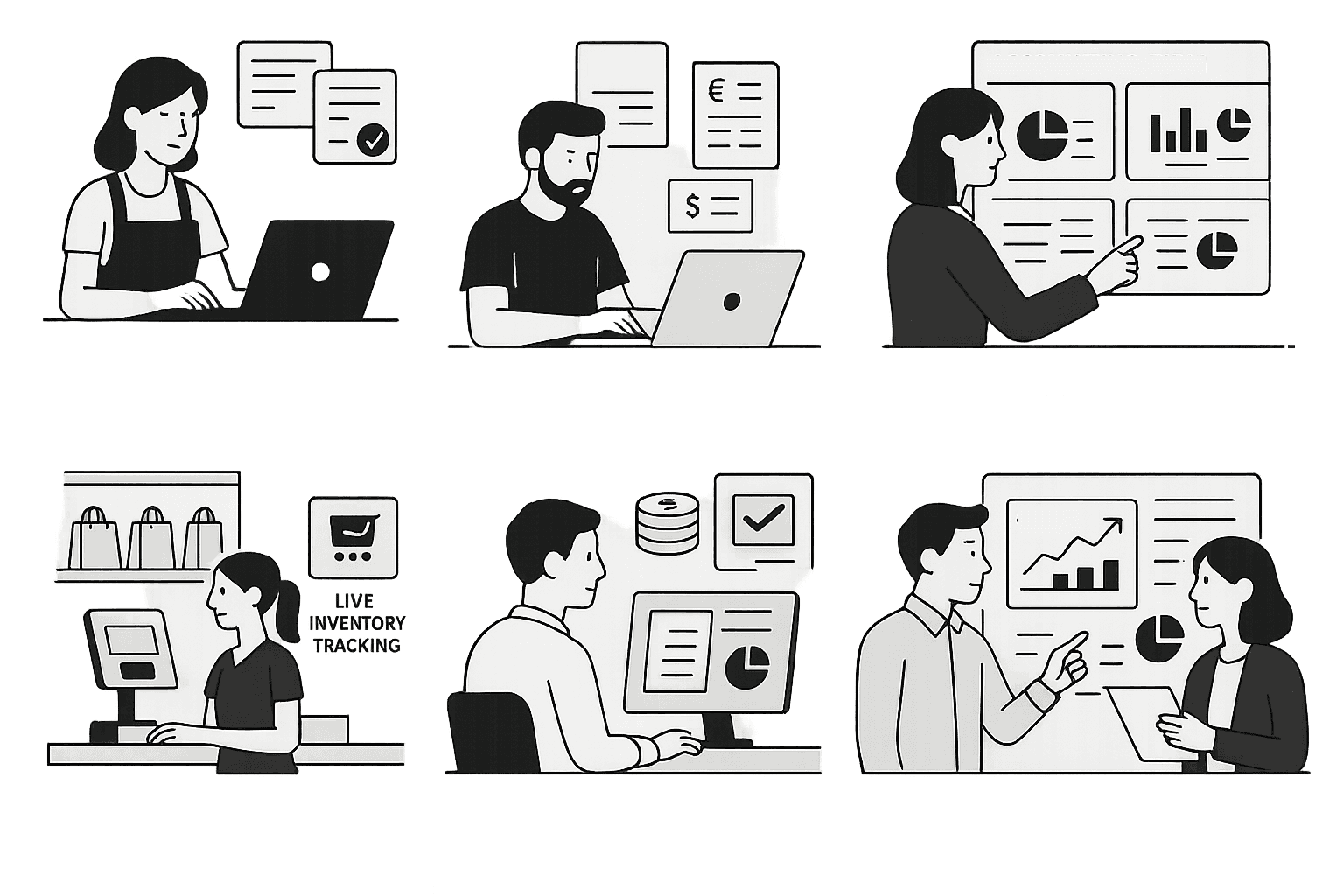
- Small Businesses: Owners generate GST invoices, track payments, and get tax-ready reports without needing a CA every month.
- Freelancers: One-click invoice creation, expense categorization, and project-wise earning tracking.
- Accounting Firms: Manage multiple clients from a single dashboard with isolated data and compliance reports.
- Retail Stores: Integrate POS data for daily sales tracking and real-time inventory valuation.
- NGOs: Track donor funds, recurring contributions, and grant-specific expenses with transparency.
- Startups: Use early insights from cash flow analytics to secure funding and plan scale strategies.
Performance, Security, and Scalability
- Fast UI: Flutter ensures native-level performance for navigating large ledgers or generating reports.
- Secure by Design: Role-based auth, encrypted storage, and audit trails for financial activities.
- Serverless & Modular: Deploy modules independently (e.g., analytics engine, invoicing) via Supabase or Firebase.
- Multi-Tenant Ready: Single deployment, multiple company accounts—each securely separated.
- CI/CD Friendly: Automated tests, code linting, and versioning for rapid and safe deployments.
- Data Backups: Scheduled snapshots with recovery workflows ensure business continuity.
- Load Balanced & Horizontal Scaling: Ensure smooth usage even when thousands of users operate simultaneously.
Conclusion
Developing a business accounting suite today isn’t just about digitizing ledgers—it’s about giving power back to business owners with tools that are intuitive, intelligent, and scalable. Flutter offers the speed, flexibility, and polish needed to create world-class solutions across devices. Whether you’re starting with invoices or building the next ERP, 2025 is the right time to make your mark.
If you’d like to see a practical example of how these concepts can come together in a real product, we’ve built a dedicated project page that walks you through features, benefits, and use cases in detail. Explore it here: Business Accounting Suite Project.