How to Build a B2B Micro-SaaS in 90 Days With AI Tools (July 2025 Guide)

Weeks 1–2: Idea, Research & Validation
- Define a narrow niche problem. Pick a specific pain point for B2B customers. Use ChatGPT or Claude to brainstorm and validate ideas.
- Validate your idea quickly. Build a basic landing page using Carrd or Typedream. Write compelling copy with GPT-4 or Jasper.
- Collect emails or feedback. Use Typeform or Google Forms to gather interest. AI tools like Tally can summarize user intent.
- Define 2–3 MVP features. Ask ChatGPT to turn your idea into user stories and feature specs.
Weeks 3–4: Architecture & Design with AI
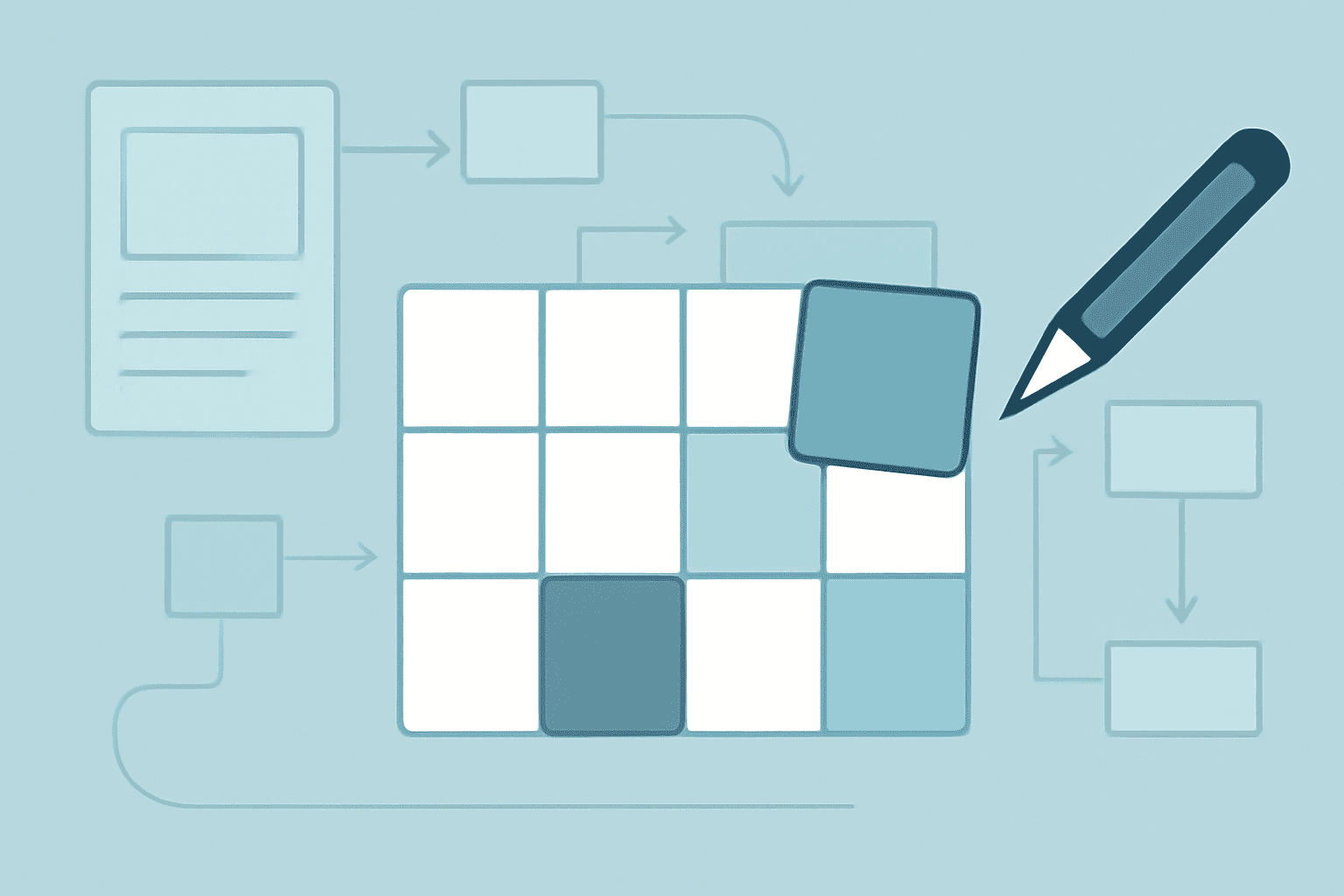
- Pick a tech stack. AI no-code platforms like Base44, FlutterFlow, or Softr can accelerate development.
- Design UI using AI tools. Use Figma AI, Canva Magic, or Midjourney for mockups. You can even generate full screens from prompts.
- Plan backend with AI databases. Airtable, Supabase, or Xano provide scalable backends without much code.
- AI-based workflow planning. Tools like Whimsical AI or Miro AI can visualize flows from text prompts.
Weeks 5–6: Build the MVP
- Start building fast. Use GitHub Copilot or Replit Ghostwriter to generate code for the MVP features.
- Use no-code or low-code. Tools like Bubble or FlutterFlow can let non-engineers build usable products.
- Automate integrations. Zapier, Make, or Pipedream can glue tools together quickly without full backend work.
- Enable AI in your product. Use OpenAI, Claude, or HuggingFace models for features like summarization, chat, or classification.
Weeks 7–8: Testing and Feedback
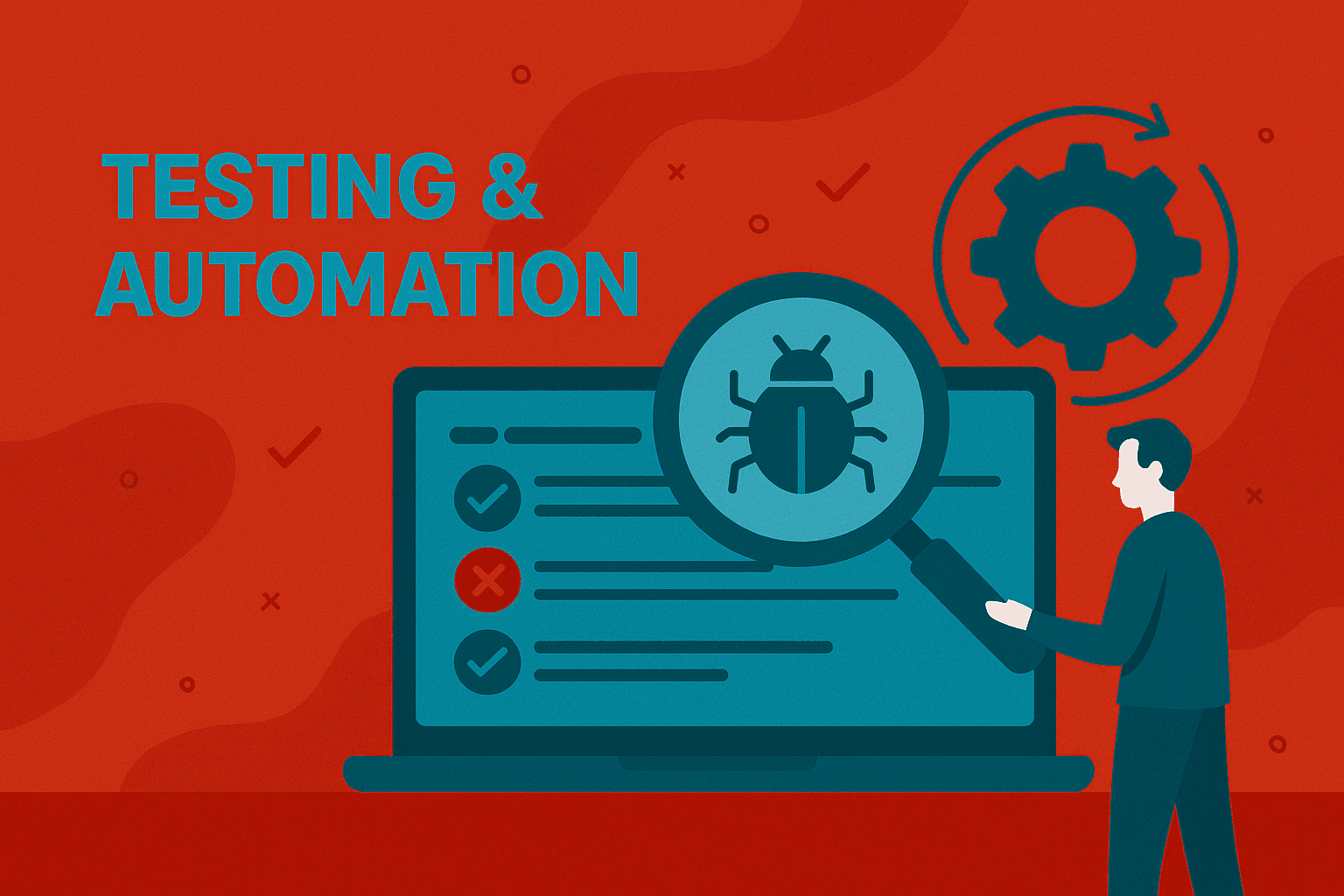
- Test with AI-powered QA tools. Tools like Testim or CodiumAI help write and run test cases.
- Launch to a small audience. Get early users from communities like IndieHackers, Reddit, or Discord.
- Analyze feedback with AI. Use ChatGPT to summarize large amounts of feedback and suggest UX improvements.
- Start content creation. Use Jasper or ChatGPT to start drafting SEO blogs, FAQs, onboarding scripts.
- Set up analytics. Tools like Mixpanel, Amplitude, and GA4 offer behavior tracking and AI insights.
Weeks 9–10: Launch Prep & Marketing
- Refine UI and copy. Use Figma AI and Grammarly AI for polished visuals and text.
- AI Outreach for email & LinkedIn. Use Instantly.ai or Waalaxy for outbound campaigns and lead scraping.
- AI influencer matching. Use CreatorIQ or indaHash to find niche influencers who can test your tool.
- Set up product-led growth features. Add share buttons, invite rewards, referral systems, and in-app bots.
Weeks 11–12: Launch & Growth
- Go live. Launch on Product Hunt, Hacker News, LinkedIn, and subreddits. Make sure onboarding is smooth.
- Customer support with AI bots. Integrate GPT-4 chatbots via Intercom, Crisp, or Tidio.
- Early revenue loop. Use Stripe for payments and CRM tools like HubSpot AI to manage early customers.
- Monitor KPIs and feedback. Track what users do and why they churn. Improve fast.
Tools Cheat Sheet
- AI no-code builders: Base44, FlutterFlow, Zapier Interfaces
- Design/UX: Figma AI, Canva Magic, Midjourney
- AI coding assistants: GitHub Copilot, Tabnine, Replit Ghostwriter
- Backend/DB: Airtable, Supabase, Xano, Zapier, Make
- Content & Copy: ChatGPT, Jasper, Copy.ai
- Outreach & CRM: Instantly.ai, Waalaxy, HubSpot AI
- Marketing AI: CreatorIQ, Lately.ai
- Analytics: Mixpanel, Amplitude, Google Analytics 4
- Others: Synthesia, Tally, Grammarly
Final Thoughts
Building a micro-SaaS in 90 days isn’t just possible—it’s now efficient, thanks to the AI tools that accelerate every part of the journey. Whether you’re a technical founder or a non-coder with an idea, AI levels the playing field. Build smart, launch fast, and grow with feedback.